
Beyond the Dashboard: The Real Story Your Numbers Are Not Telling You
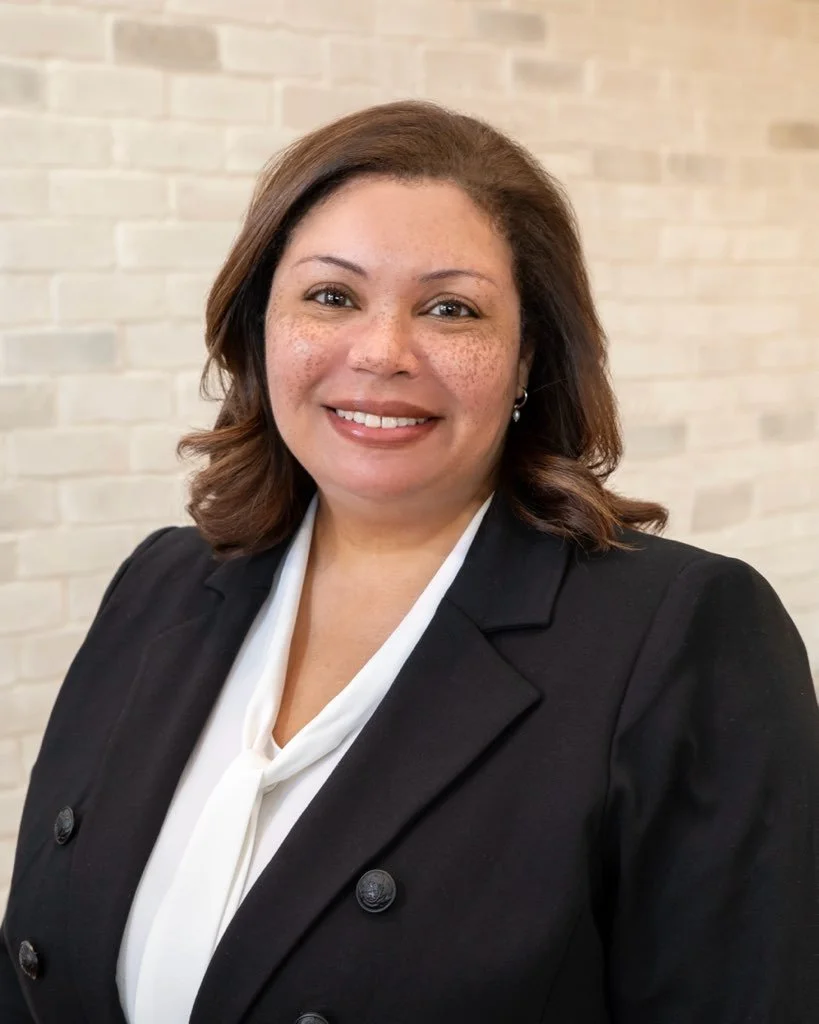
Photo: StyleFW Pictures
Dashboards have become the comfort food of nonprofit leadership. Clean charts. Clear metrics. A few clicks and everything looks tidy and under control. I get the appeal because I love a good dashboard more than most people. Give me color coding, shading, conditional formatting, all the little touches that make progress pop off the screen! A smart dashboard gives you actionable next steps, keeps you or your team aligned and lets anyone jump in to add notes or shift priorities. When they are built well, they feel like clarity wrapped in technology.
But there is another layer of truth beneath the surface that never makes it into those neat little boxes. Dashboards track output, not health. They capture what happened, not why it happened. And they cannot diagnose the cultural and relational forces that determine whether your fundraising program is thriving or barely holding it together.
When I sit with a fundraiser or development teams, I ask questions no dashboard can answer. How confident is your staff in their portfolios (or you in your portfolio)? What emotional load is the team carrying that no metric reflects? How much of your stewardship work is slowed down by internal bottlenecks? How often do board members truly engage with donors instead of simply talking about it? How much pressure is sitting on your development staff and how is that pressure shaping creativity, retention and energy? These questions are not soft. They are operational drivers of revenue. Yet they remain completely invisible on even the most detailed dashboards.
A dashboard will show donor retention. It will not show that donors are drifting because they feel unseen. A dashboard will show donor visits. It will not show that you or your team is so administratively overloaded that they (or you) barely have time to think. A dashboard will show event revenue. It will not show the strain on event staff when the rest of the organization treats events as entertainment rather than strategic donor engagement.
Leaders love dashboards because they offer a sense of certainty. But fundraising is a human enterprise. It lives in trust, clarity, collaboration and consistent stewardship. If you want real performance improvement, you have to look beyond the neat visuals and into the system that produces the results.
This means asking different questions. It means listening to your development team. It means removing internal barriers that slow down stewardship. It means recognizing that culture drives revenue far more than any spreadsheet ever will. You can have the most organized dashboard in the world, but if you or your team feel disconnected or overwhelmed, the results will eventually show it.
The organizations that rise above the rest do something important. They use dashboards as a tool, not a compass. They want context. They want nuance. They want the honest story behind the numbers because that story is where smart decisions live. They know data matters, but relationships matter more.
Here is where the magic happens. A dashboard becomes far more powerful when you pair the numbers with the lived experience of you or your team. When you invite staff to talk openly about the story behind the metrics, you uncover patterns no software can display. When you let culture and capacity into the conversation, your decisions become sharper. You stop reacting and start leading.
Dashboards are valuable. Keep them. Use them. Appreciate the clarity they bring. But do not let them distract you from the deeper truth. They cannot measure trust. They cannot show whether you or your team feels supported. They cannot reflect the emotional climate that donors pick up on instantly. They cannot reveal whether you or your staff have the time and space to cultivate meaningful relationships.
Fundraising is always a blend of art and data. The data shows what happened. The art explains why it happened and what needs to happen next. When you honor both, your results grow and you thrive.
A fundraising consultant at M. Gale, Christina Moore-Salinas, CFRE, enjoys sharing a common goal with clients. “It’s inspiring to see the dedication and passion that nonprofit teams have for their cause. To be a part of that effort is truly fulfilling. I enjoy getting to know an organization’s mission and values and see firsthand the impact they have on the community.”