Trust: The Soft Skill Doing the Heavy Lifting in 2026
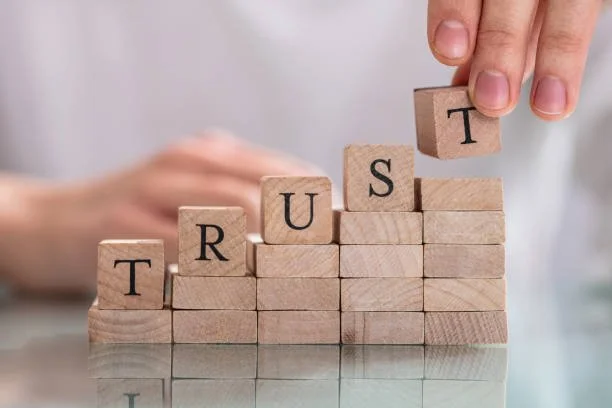
Photo: iStock
Last week, the M. Gale team came together in person for our annual meeting and retreat in Fort Worth, Texas. It was a fantastic two days. Each year, we prioritize this time together to focus on our mission impact. We dedicated our time to 2025 reflections, connecting with each other (and having fun!) and building out our goals and work plans for the year. While this meeting always requires a lot of internal planning, especially as we continue to grow with more consultants coming in from different states, it never fails to leave me energized.
Now, as we enter the second month of 2026 (can you believe it?!), I’m steadfast in knowing how fortunate I am to work alongside such a committed group of people! And I know the same is true for our nonprofit partners and colleagues. Each of us has a team standing beside us in this important work.
When I think about leadership in 2026, one theme rises to the top: trust may still be considered a soft skill, but it delivers hard and tangible results. In the nonprofit world, mission matters and people are what make that mission move. When leaders choose to lead with trust, they create the conditions for clarity, collaboration and commitment. Trust isn’t about lowering expectations or removing accountability; it’s about strengthening relationships so teams can do their best work together, which will show up in valuable ways.
Leading with trust starts by believing your team wants to succeed and giving them the context, autonomy and support they need. The payoff is real: stronger alignment with organizational goals, better problem-solving by everyone and a culture where people feel confident contributing ideas and raising concerns.
Why Trust Matters
It reduces friction and second-guessing.
It empowers staff to take ownership and initiative.
It creates psychological safety, so challenges surface sooner.
It turns strategy into shared purpose, not just top-down direction.
Simple Ways to Build Trust and Collaboration
Connect roles to the mission. Regularly show how each person’s work advances organizational goals.
Share the “why,” not just the “what.” Provide context behind decisions, priorities and trade-offs.
Set clear goals, then step back. Align on outcomes and trust teams to determine the path forward.
Increase cross-team visibility. Use short updates or shared forums to show how work fits together.
Create feedback loops. Invite input early and follow up with what you heard and what changed.
Normalize learning over perfection. Celebrate progress, experimentation and lessons learned.
Model collaboration at the top. When leaders collaborate openly, teams are more likely to do the same.
Make strategy accessible. Translate plans into plain language and revisit them often.
Ensure accountability. Make commitments visible and revisit them regularly as a team.
Trust grows through consistency, transparency and curiosity. It’s built in everyday moments, such as listening without defensiveness, following through on commitments and recognizing contributions along the way.
When nonprofit executives lead with trust, they don’t just manage work; they amplify impact from a mindset of abundance. Teams that understand the mission and trust one another move faster, collaborate better and stay engaged for the long term. As 2026 unfolds, leading with trust may be one of the most powerful choices you make.
Your trusted advisor,
Laura
P.S. Trust-based leadership also requires serious reflection and honesty about where you are. If you find that your organization needs help creating your strategic plan or goals, or that your team needs support in translating goals into an actionable roadmap, don’t hesitate to reach out. Our nonprofit management service line addresses these kinds of concerns, with lots of customized solutions for you.
As President, Laura Hutyra is a results-driven leader focused on M. Gale team collaboration, growth and long-term mission impact in our communities. Over the last 12 years, she has worked within every department of the firm and served as a consultant to help clients navigate organizational and fundraising solutions. She is a seasoned fundraiser, with experience managing multi-million dollar campaigns.